
The West Bank: what is it going to take?
JVL Introduction
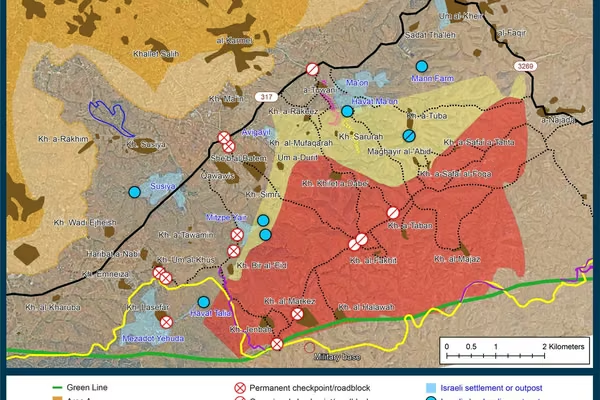
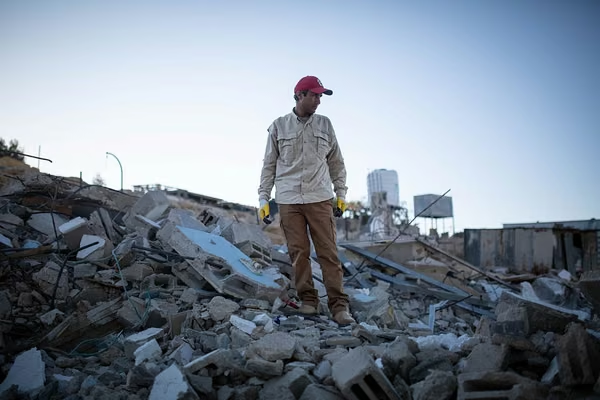
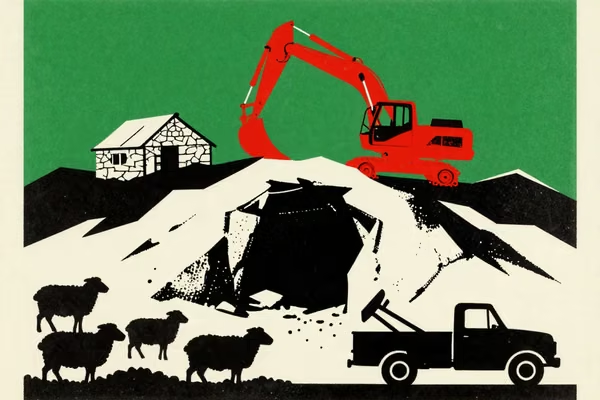
This article focuses on Masafer Yatta, about which we have published many articles, but it could be anywhere and perhaps it particularly resonates as some of us, and many Palestinian and Israeli activists with whom we are in regular contact are the activists featured here. The struggle to stop the displacement of the people of Massafer Yatta is one that is known, that has been written about and about which an award winning film, “No Other Land” was made and yet things are worse and not better.
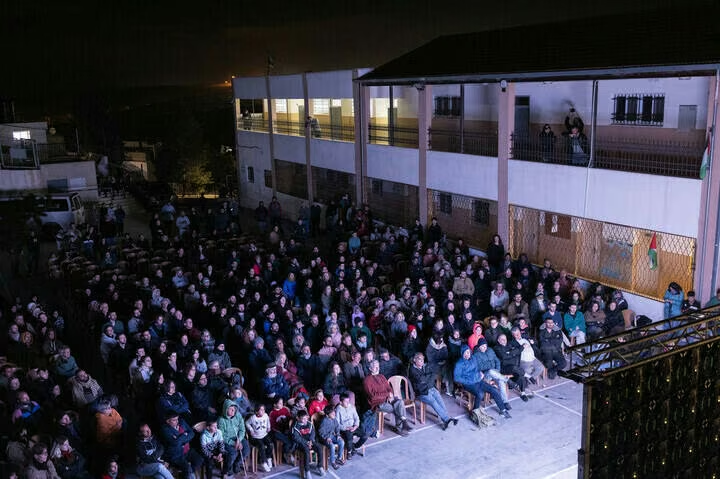
Maya Rosen was present when the film was shown in At Tuwani, which is one of the few villages in the area that looks as we might expect a village to look, with roads and stone houses with gardens, a school and a clinic rather than caves and tents with occasional structures which is common in most of the hamlets of the area.
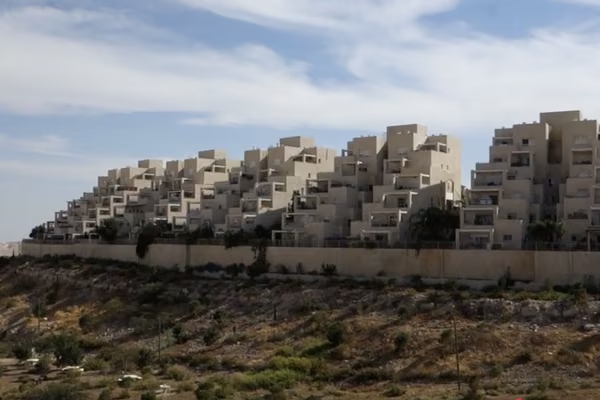
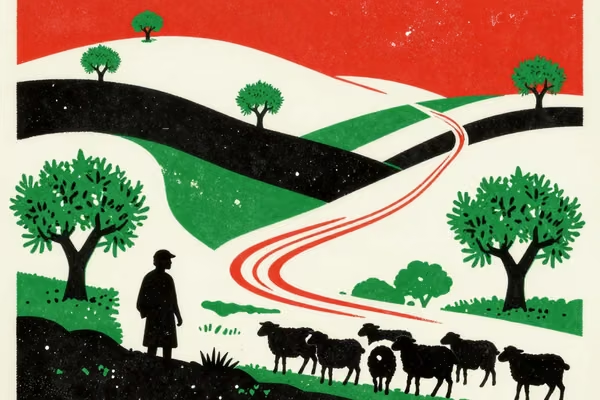
Tuwani is in that 1% of Area C, where there actually is a development plan and so some building can take place without the threat of demolition. Even then the fields, cisterns, olive trees and people of the village are not safe from settler attack, especially from Havat Ma’on an outpost of many years standing, clearly visible on the hillside above the village. Their Non Violent Resistance Committee is also central to the struggle for the wider area.
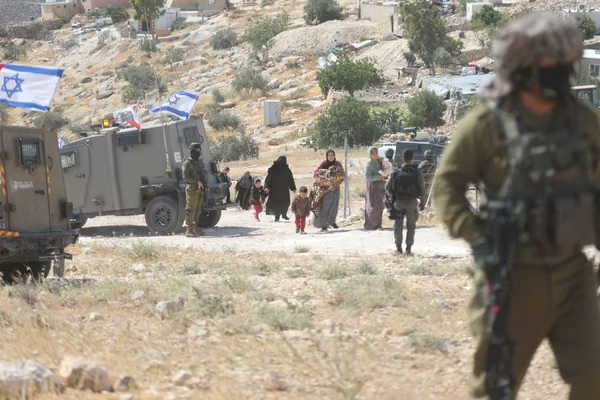
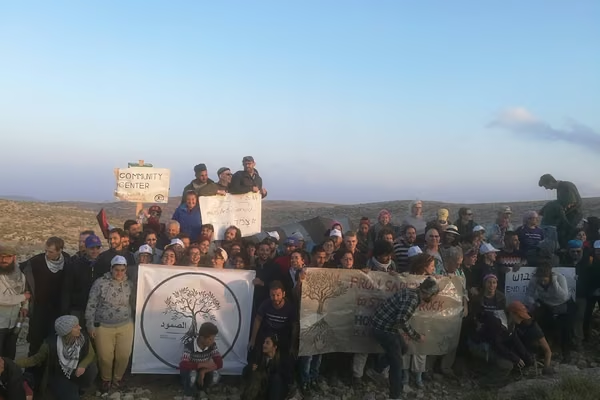
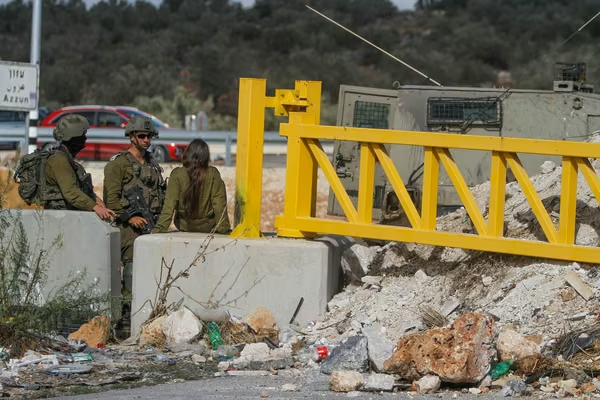
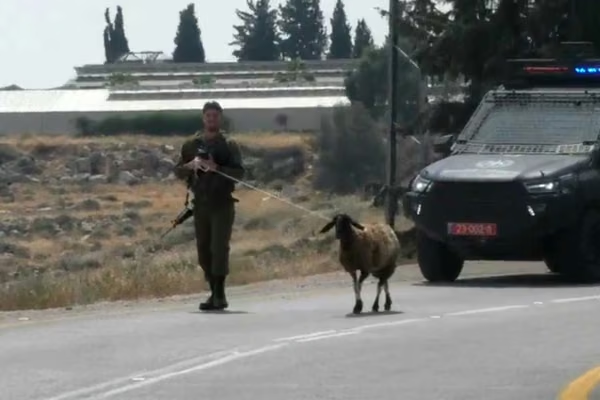
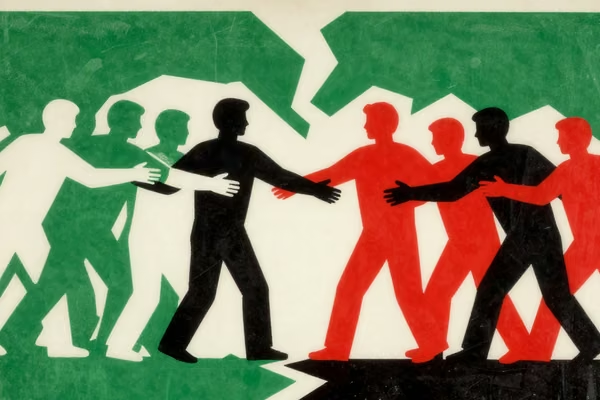
Maya Rosen explores the importance of coresistance as against coexistence but does not shy away from the reality that the imbalance creates considerable strains on the genuine friendships between the Palestinians from the area and the Israeli activists; at a very basic level, the Israel activists break bread in Palestinians’ homes, attend their weddings but this cannot be reciprocated because, of course, only the Israelis can leave the area and return to their homes when they want without the threats facing the Palestinians. However many times they face the IDF and the tear gas or sleep under the stars together in case of a settler attack, these differences remain.
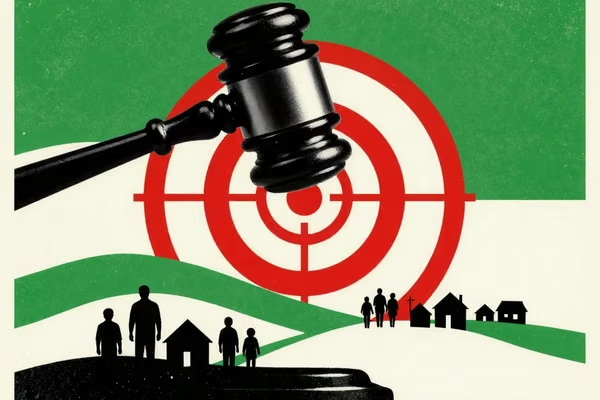
But while recording the horrendous incidents and standing in solidarity will never, ever feel like “enough” as things deteriorate and one community, Zanuta, in the area has been forced to flee since October 7th, what choice do they/we have? Stopping is not possible until there is justice and freedom for all Palestinians.
LL
This article was originally published by Jewish Currents on Tue 16 Apr 2024. Read the original here.
Co-Resistance at a Crossroads
As anti-Palestinian violence in the West Bank reaches new heights, a beleaguered movement gathers to reflect.
Loading article text…
What an extraordinary story. The discussion of co-resistance highlights how extremely hard it is for Israelis and Internationals to act in genuine solidarity with Palestinians who are subject to cruel restrictions that they themselves do not face. The power imbalance is inescapable. We must keep that at the forefront of our minds whenever we are told that the solution is to talk and not to take sides. It’s usually nothing more than cover for continuing repression, apartheid and ethnic cleansing.