
Ethnic cleansing, genocide and ecocide go hand in hand in Palestine
JVL Introduction
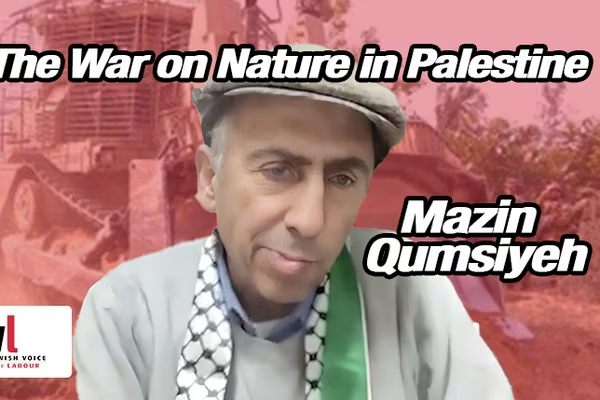
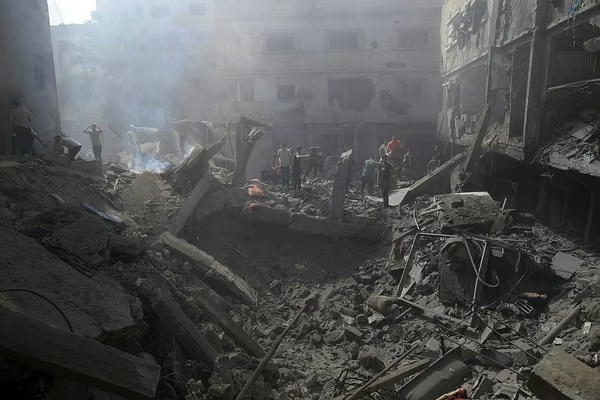
In this article Philippe Pernot, a French-German photojournalist, explores the work of Mazin and Jessie Qumsiyeh in the ten years of the Bethlehem Natural History Museum, located in ‘The Fertile Crescent, the birthplace of agriculture’. It treats the Palestinian people as part of the landscape, the ecosystems under threat from Israeli colonial occupation. Mazin Qumsiyeh provides a salutary list of the hazards facing Palestinians while there is a focus on present killing: “climate change, habitat destruction, pollution, invasive species, conflicts, and wars”. He talks of the Europeanisation of the trees and plant species as part of the colonial effort. Of course, war massively exacerbates environmental breakdown: the Wadi Gaza nature reserve has been virtually obliterated and there has been a massive spike in carbon emissions from jet fuel and munitions. In preserving cultural memory alongside a record of environmental destruction and endangered species, the Bethlehem Museum adds to Palestinian resilience and resistance.
You can subscribe to Mazim Qumsiyeh’s updates via: HumanRights Info Page (qumsiyeh.org)
TB
This article was originally published by The New Arab on Fri 12 Jul 2024. Read the original here.
Bethlehem Natural History Museum: A snapshot of Palestine before Israeli colonial terraforming
Mazin and Jessie Qumsiyeh’s Bethlehem-based museum not only preserves endangered species but also safeguards Palestinian culture amidst the ongoing war in Gaza.
Loading article text…



I recommend subscribing to Mazim’s updates. They offer a different perspective to the political analysis we usually see. They movingly portray contemporary life in Palestine, with lots of links to data and resources. Mazim and Jessie’s work is vital. It is overwhelming how much they do to protect Palestine’s environment, and memories of it.