
The ICJ ruling that the State of Myanmar has committed genocide
Introduction
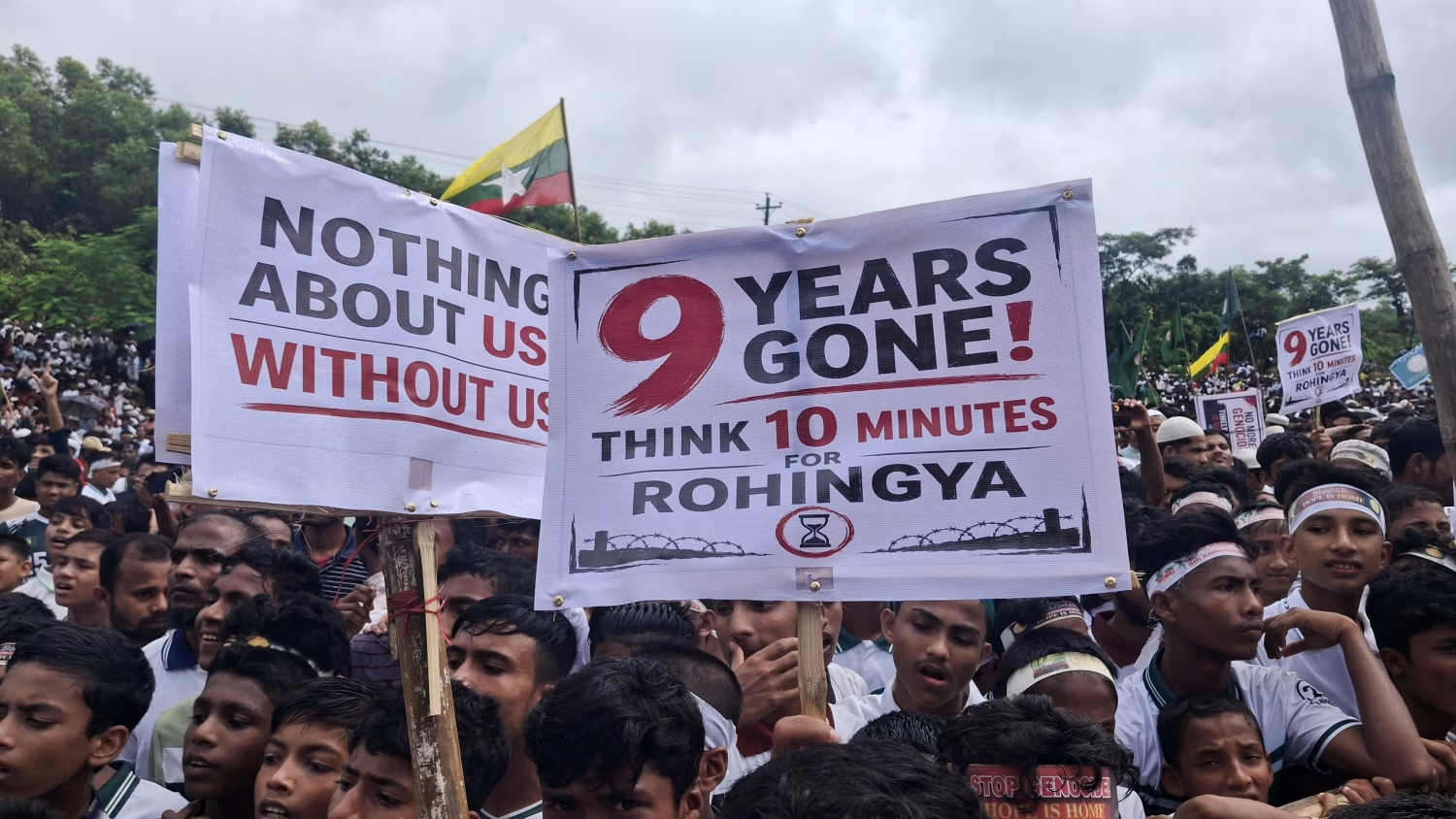
This is our statement welcoming the International Court of Justice (ICJ) ruling that Myanmar has committed genocide against the Rohingya people in Rakhine state. It is a recognition of the intolerable suffering of the Rohingya and there are clear implications for the case brought to the ICJ by South Africa in January 2024 in relation to Israel’s actions in Gaza.
JVL welcomes the ICJ’s decision that the military actions by Myanmar in 2017 against the Rohingya people in Rakhine State, constituted genocide. We note the global recognition this gives to the oppression, brutal treatment, slaughter, and ethnic cleansing of the Rohingya. While the ruling has been celebrated by the Rohingya people and all those seeking justice against minorities, it will not end the genocide without a reversal of policy by the Myanmar regime that requires pressure from other countries who have a clear duty to act under international law.
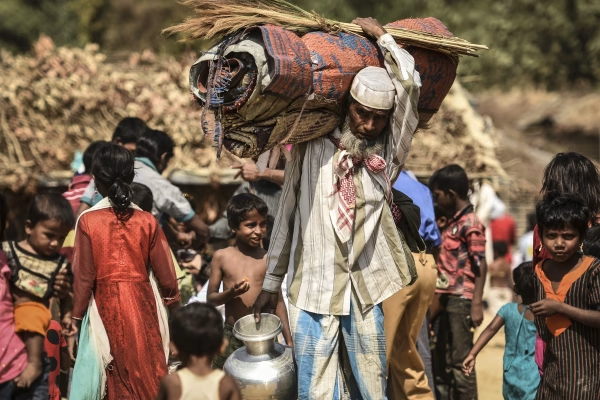
The ICJ determined that Myanmar had failed to prevent and punish genocidal crimes, and ordered it to cease ongoing violations, investigate and prosecute perpetrators, provide restitution and compensation to Rohingya victims and allow their return to their homelands. Over a million Rohingya have been forced over the border into neighbouring Bangladesh.
Amnesty International’s Secretary General commented:
“After years of denial, impunity and suppression of truth, this ruling is a historic and authoritative recognition of the atrocities committed against the Rohingya and a rare moment of justice for survivors, victims and their families.”
JVL notes the important implications of the decision for future ruling by the court on Israel’s genocide against the Palestinians in Gaza. It is the first time that the ICJ has found a state responsible for the crime of genocide. It has also demonstrated, for example, that claims of conducting security operations cannot excuse a state’s actions from scrutiny under the genocide convention. This – and many of Myanmar’s other rejected arguments – specifically undermine the defence claims against genocide allegations mounted by Israel.
In both cases recognition of the risk of genocide predated the events which sparked applications to be filed about genocide to the ICJ. The case against Myanmar was brought by Gambia following the forced expulsion of 740,000 Rohingya in 2017, and against Israel by South Africa, in response to the indiscriminate slaughter in Gaza by Israel after the attack by Hamas in October 2023. Burmese campaigners against the genocide had described the persecution of Rohingya from 1978 as part of a genocidal process. Genocide scholar Martin Shaw sees the dispossession of the Palestinians from their land over many decades as a one strand of actions leading up to a genocide.
The decision that Myanmar’s actions do constitute genocide, while there is a similar, judicial process ongoing against Israel, also draws attention to the close relationship between the two countries. Both states were founded in 1948 as ethno-nationalist regimes and have since enacted a multiplicity of discriminatory laws. In the 1950s Golda Meir’s relationship to Burma (as the country was then known) has been described as a “love affair”. The two countries have maintained close military ties, with Israel continuing to supply arms and military training to the regime after the military coup, thus making it fully complicit in that genocide, too.
The recent ruling exposes the UK’s double standards. It made representations to the ICJ about the Myanmar genocide in November 2023 alongside Canada, Denmark, France, Germany, and the Netherlands. It drew attention to acts against children and forced displacement as crucial indicators of intent to commit genocide. Yet it has unequivocal evidence of mass forced displacement of Palestinians and of the more than 64,000 children killed or injured in Gaza, according to UNICEF, with killings continuing since the so-called ceasefire. Yet it not only continues to deny the genocide but also that there is a risk of genocide. This is despite the ICJ’s directions to Israel to protect Palestinians from that risk, which the UK government knows have been ignored.
The government cannot delay action, without further genocidal complicity, by claiming that the ICJ has not yet ruled on the Gaza genocide, already confirmed by the International Association of Genocide Scholars in 2025. There is an overwhelming need to take preventive action. We call on the UK government to stop its denial and genocidal complicity and act now: sanction Israel for its actions and immediately stop arms supplies.
Readers may also want to see the statement from Global Jews for Palestine , of which JVL is a member and this excellent interview by Double Down Newswatch presenter Richard Sanders, in conversation with Chris Gunness, Director of the Myanmar Accountability Project and former Chief Spokesperson for the UN Relief and Works Agency for Palestine Refugees (UNRWA).
No comments on this post so far.