
Acts of language
JVL Introduction
In a passionate essay, writer Isabella Hammad look at the widespread reaction to pro-Palestinian speech in the US, developing an argument that is equally valid in the UK and elsewhere.
She finds it startling that so many writers inveigh against the speech of pro-Palestine protesters in the US as threatening violence, while diminishing or ignoring the actual violence taking place in Gaza for nigh on nine months now.
For so many, the use of words by the students seem to have become a violent act in itself – more violent indeed than the violent reality occurring on the ground.
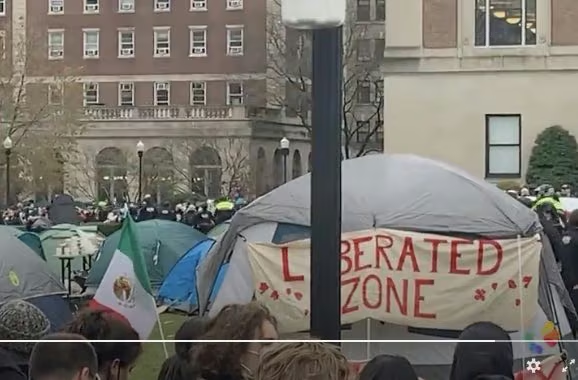
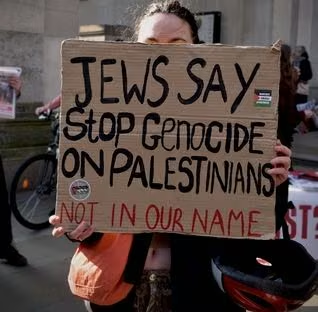
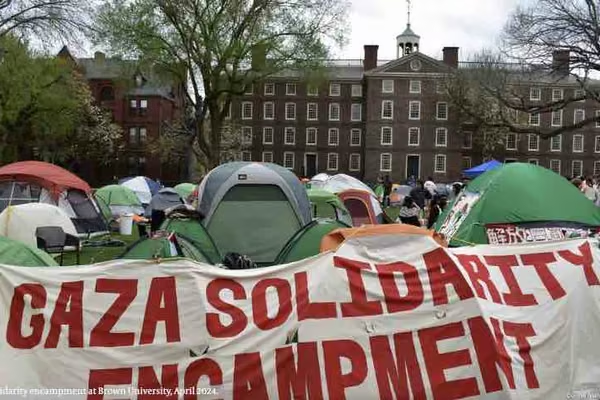
The reality, says Hammad, is that “evidence of physical intimidation or violence by student protesters against counter protesters” is hard to find, while that of both verbal and physical violence at the encampments is plentiful, “directed by police officers and Zionist activists against the protesting students, many of whom are themselves Jewish”.
Amid this horror of the war and campus repression, she finds encouragement in “the bravery of writers, artists, and most especially students—people of all kinds dissenting together, standing together, working together, refusing together. The professors of NYU holding hands, using their bodies to protect their students from the police. To protect their speech.”
RK
This article was originally published by the New York Review of Books on Thu 13 Jun 2024. Read the original here.
Acts of language
Amid the actual violence of Israel’s assault on Gaza, why have so many writers treated pro-Palestine speech as a threat?
Loading article text…


The persistence and breadth, world-wide, of actions taken to counter criticism of Israeli policies and actions simply takes my breath away. And for academics, lecturers and one politician in particular with some success attempts to destroy their credibility and careers. But for Palestinians it takes away their lives.