
How (Not so) Insidious Islamophobia shapes our thinking
JVL Introduction
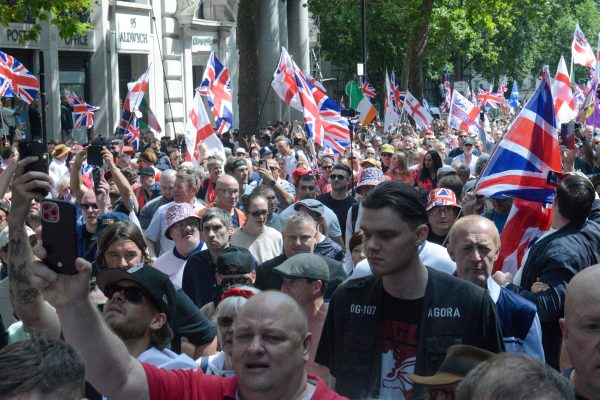
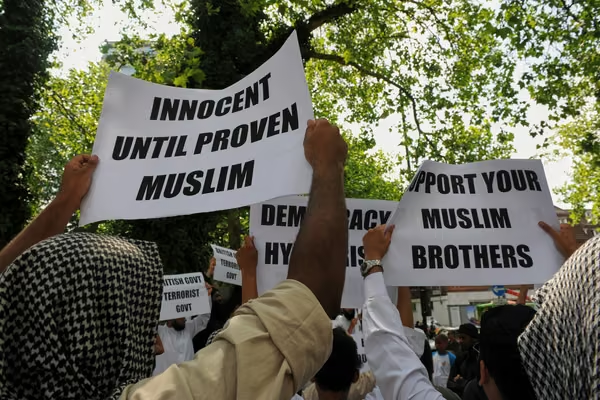
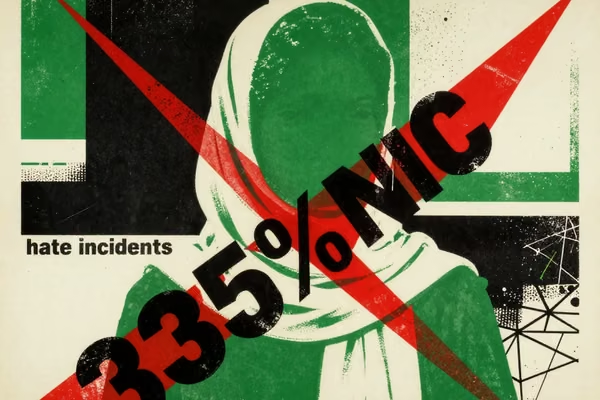
There is rising Islamophobia – and rising antisemitism – but why does one get so much more attention than the other? As the writer says: ” Across the world, anti-Muslim abuse has risen sharply: mosques vandalised, women in hijabs assaulted, online spaces saturated with hate, and far-right marches openly calling for the eradication of Islam. Yet such incidents rarely command sustained outrage. They appear briefly before disappearing into the churn of the news cycle.“ (my emphasis, LL)
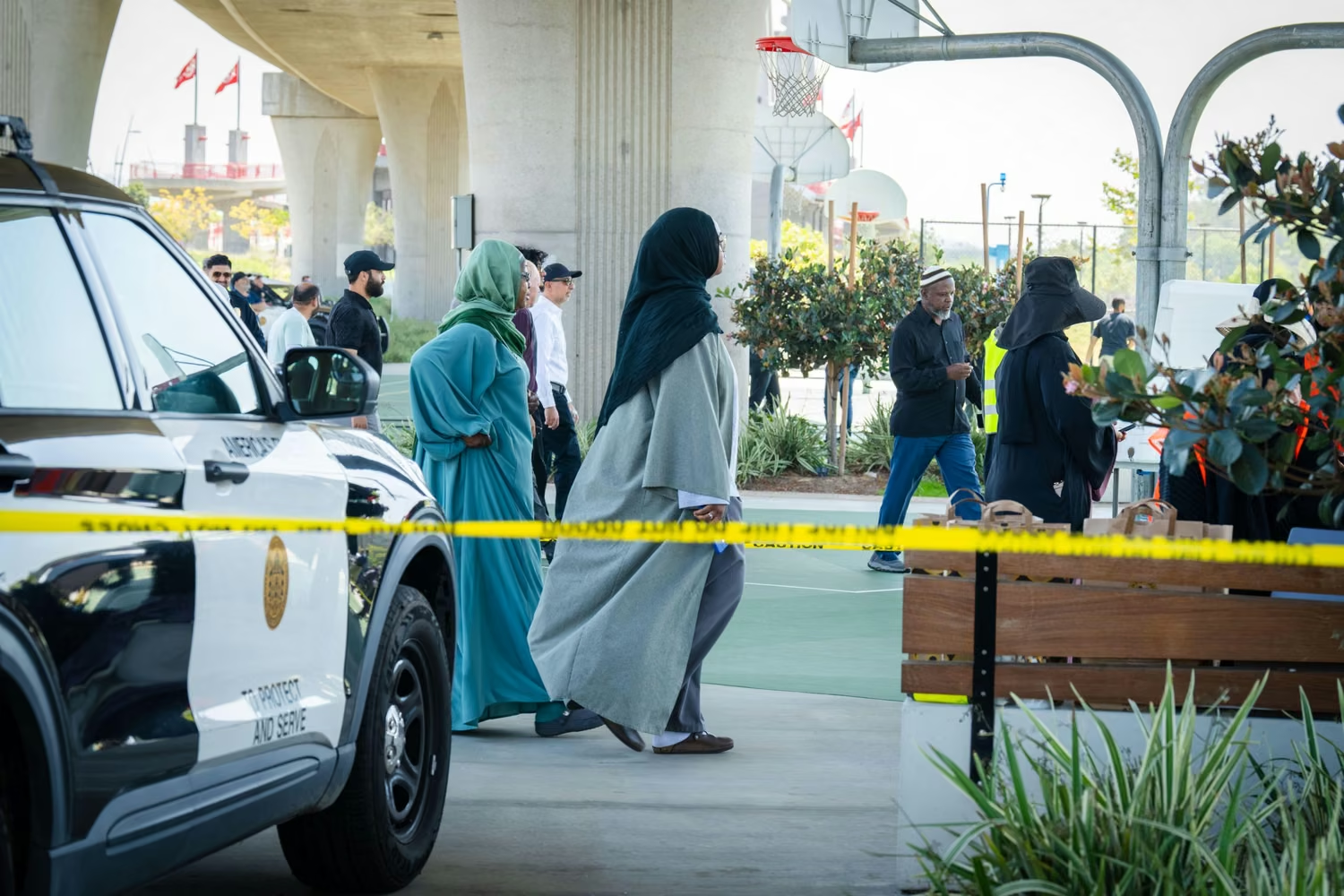
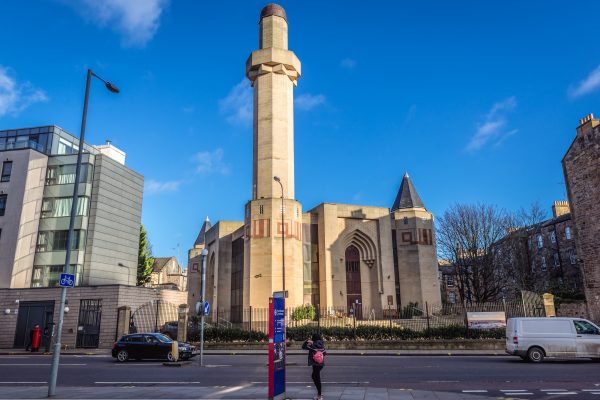
A example is the arson attack on Peacehaven Mosque shortly after the dreadful attack on Heaton Park Synagogue in Manchester in October 2025. Two men there narrowly escaped with their lives. It was reported but is rarely, if ever, referred to again. The Prime Minister and Home Secretary did visit the Mosque but not until 19 days after the attack.
Anti-Muslim rhetoric, certainly regarding Muslims as “a problem” has become largely normalised in many countries whereas antisemitism is (rightly) not. Kenneth Mohammed gives many examples of how Muslims and Islam are portrayed contributes to Islamophobia and argues that this makes the world less safe for Jews as well as for Muslims. Furthermore, the biased way that wars in Muslim majority countries are portrayed seeps into many other areas of life.
LL
This article was originally published by The Guardian on Mon 25 May 2026. Read the original here.
The real danger of Islamophobia? It rarely announces itself as hatred yet shapes how millions think
The difference in framing around antisemitism and anti-Muslim hatred distorts public understanding, inflames tensions and makes both Jewish and Muslim communities less safe
Loading article text…

Comments are now closed.