
16th May: Roma resistance and continuance
JVL Introduction
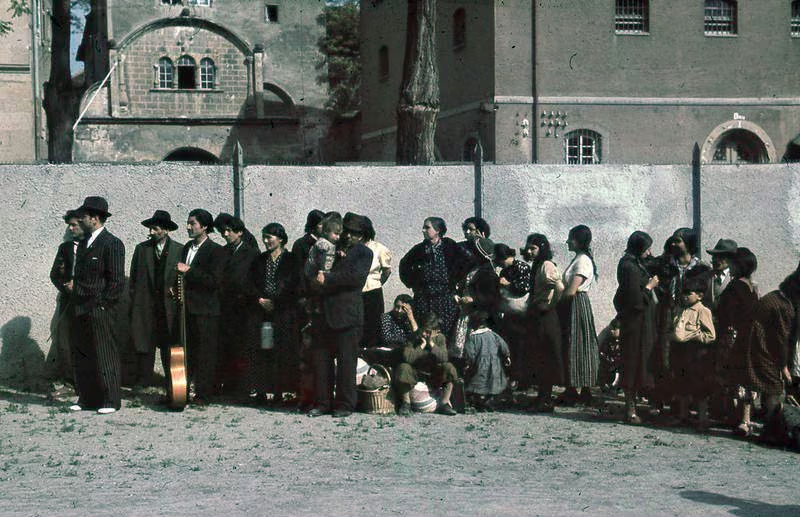
We do not remember this enough. 16th May marks the anniversary of the day, in 1944 when the SS planned to liquidate the Roma Camp at Auschwitz and were met with resistance. The writer acknowledges some recognition of the Roma genocide but notes that there is no responsibility shown and no real acknowledgement of all that was lost and that has never been regained. A whole way of life and of organisation, of laws: “…we are not a cultural community to be appreciated. We are a constitutional people whose law has outlasted empire, fascism and liberal democracy.”
LL
opment
This article was originally published by Roma Foundation for Europe on Fri 16 May 2025. Read the original here.
The Price of Memory: 16 May and the Mandate We Must Carry
16 May is not a day of remembrance. It is a constitutional threshold—a test that returns each year, not to be observed but to be met
Loading article text…

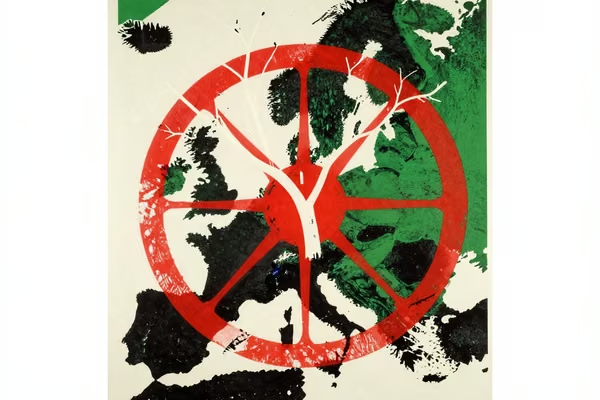

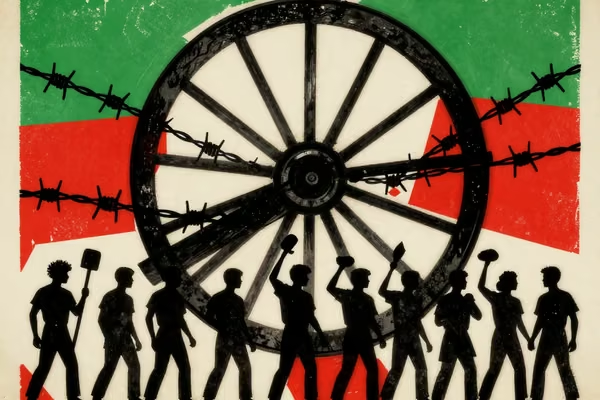
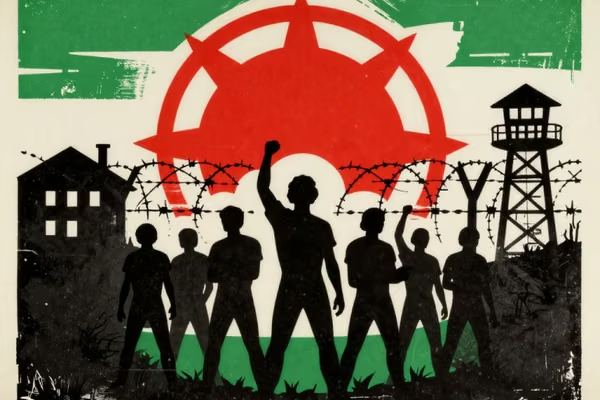
At first I was thrilled by this call for respect for the much wider network of justice and interpersonal relations which the Roma people have developed over a millennium. Mensur Haliti is impatient with the ‘culturalisation’ of memory and acceptance; I can remember several Holocaust Memorial Days when the only Roma presence was a violinist…. It’s like Gypsies can only be accepted for singing and dancing.
We should remember that as the Holocaust or Porrajmos was unfolding, the Gypsy Lore Society was still exploring folkish byways without showing any awareness that this was all to be swept away by mass murder.
Historians of the Roma Holocaust have often described the disruption and even destruction of its basic laws and family structures, especially as the elders were the first to be wiped out and they had been the judges and repositories of memory. Romani writers whose lives spanned that time have also commented on the flexibility and accuracy of the language of Romanes when it comes to extended family relationships, emotions and fair conduct.
However I became more worried as I read on, because Haliti appears to be calling for a recognised separate system of Kris customary courts and I don’t see how that can happen without a nationalist ethno-separatist politics. Experiences with separate legal systems such as Sharia, Orthodox Jewish and Hindu family court decisions, have been fiercely fought against by Southall Black Sisters and Women Against Fundamentalism. I may just need to know more about what is being proposed, but at first sight JVL’s uncritical publication of this speech is slightly worrying.