
“Their shock is our shock” – doctors’ testimony from Gaza
JVL Introduction
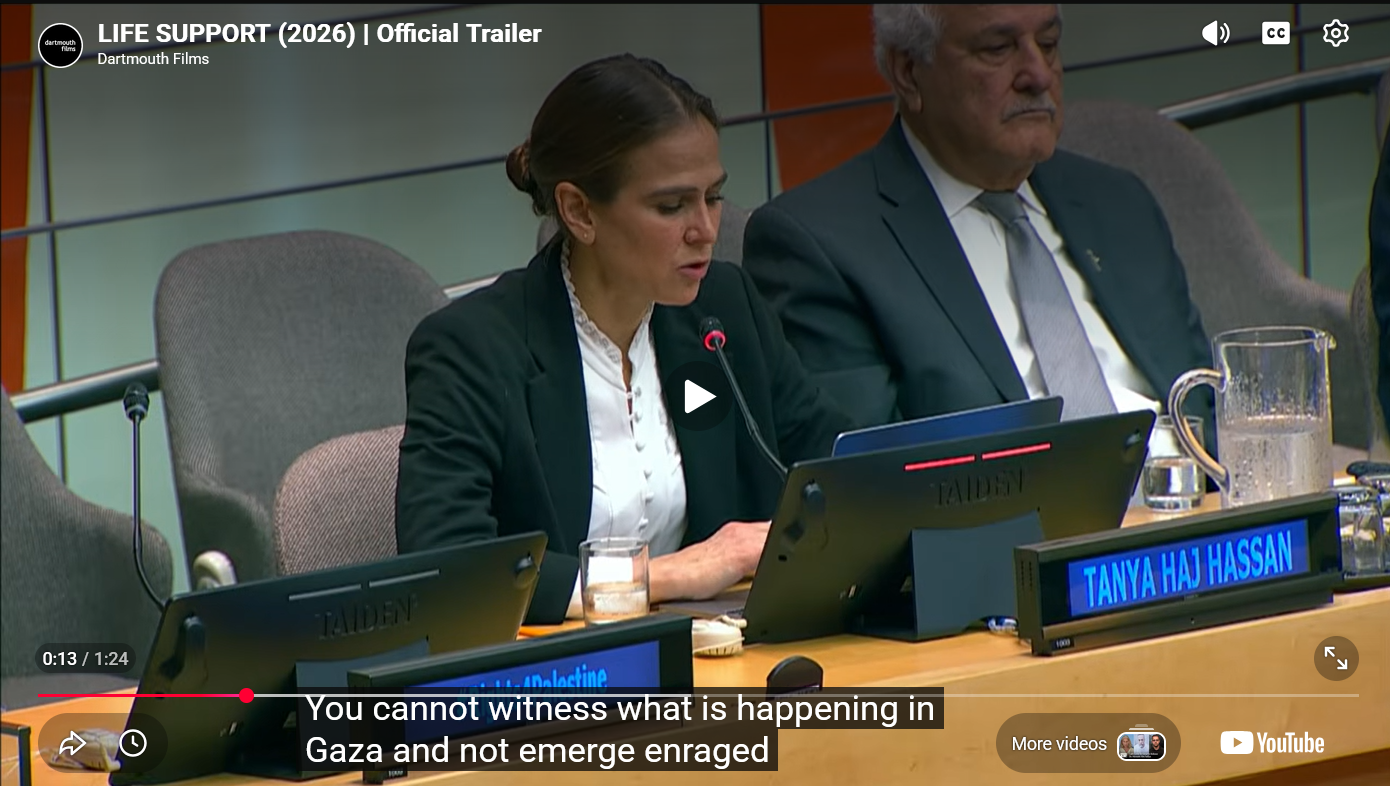
A new film, Life Support, released on July 10, provides a breathtaking insight into Israel’s destruction of Gaza seen through the eyes of dedicated medics who have been the sole international witnesses.
As the website explains, since October 2023, Gaza has been sealed from the world-except for one group, international doctors. While global media are barred from reporting and governments look away, doctors breach the blockade and what they find is not just a humanitarian crisis, but a calculated dismantling of life itself.
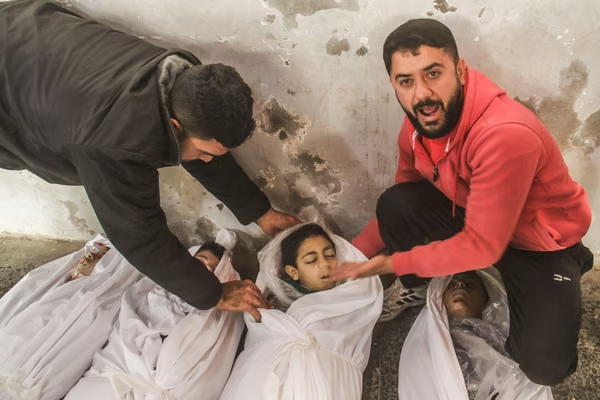
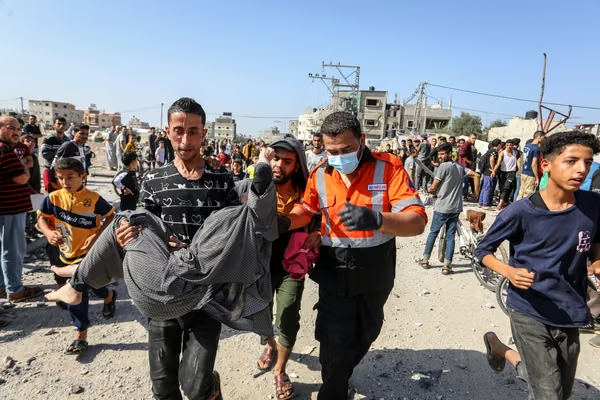
The film covers first-hand accounts from three leading medical witnesses, Tanya Haj Hassan, Victoria Rose and Nick Maynard, chronicling the first two horrifying years of genocide, with visceral footage offering a rare and vital chronicle of the daily struggles of healthcare workers as they navigate bombed-out hospitals, dwindling supplies, starvation and the overwhelming influx of casualties— predominantly women and children.
A dedication from renowned socialist filmmaker Ken Loach calls Life Support “compulsory viewing”.
We publish below the film trailer and a statement from the director, Daniele Rugo, explaining how it was made. He speaks of the moral injury the doctors experience as a result of bearing witness, which we must all share: “Their shock is our shock.”
Screening dates and more information are available on the Life Support website.
Statement from Life Support director Daniele Rugo
Life Support begins with a simple premise: highly trained surgeons, physicians and nurses from around the world volunteer in a war zone. There to share expertise, and to support Palestinian doctors, they find themselves bearing witness to a genocide as the sole international observers. The doctors in this story hold up a mirror. Their shock is our shock. Their moral injury—the price of bearing witness—is one we must all share.
Their presence in Gaza is an act of radical solidarity that questions our absence. This film does not offer easy answers. It documents, with unflinching clarity, what happens when healing becomes resistance, and when the world’s silence grows louder than bombs.
THE IDEA
I met William Parry through my previous film, The Soil and The Sea. William came to a screening of the film in the UK in 2024 and we started discussing potential projects, centered around what was unfolding in Gaza. One night William left me a voice message about a talk he had just attended where British doctors who had just returned from working in Gaza were sharing they had seen and done. William found it eye-opening and shocking that all of these horrendous things were happening on a daily basis. He immediately felt that these stories needed to be shared with as broad an audience as possible.
Within an hour William had made contact with Prof Nick Maynard and within a day we had several medics reply, keen to be involved or to help out. Uptake just snowballed from the word go.
William had previously worked for Medical Aid for Palestinians (MAP), so he contacted a colleague there and asked if they could help put us in touch with the doctors they’d helped place in Gaza. They were very happy to help and offered all of the EMT footage from each visit for us to use as b-roll material. We reached out to Victoria Rose as well and likewise she was up for it from the outset. For others like Tanya, a colleague passed on her details but she didn’t reply for weeks as she was in Gaza.
We were determined to keep trying to get her on board given the power of her testimonies at the UN and elsewhere and eventually we made contact and she said ‘Sure, of course’. At the time, we didn’t imagine the assault on Gaza and its healthcare system would continue for so long and be so systematic. The doctors were the only ones allowed in, so they brought out stories nobody had heard before. We started filming in late Spring 2025 as the doctors were traveling in and out of Gaza and capturing as much as they could on their mobile phones.
THE FOOTAGE
The bulk of the film is made of material shot by the doctors whilst working in Gazan hospitals. They were sending us material immediately after a mission and it was extremely raw, unfiltered, impactful. They were using their phones to gather evidence of what they were doing, but also to record video diaries where they reflected on their working conditions, on the relentless stream of civilians they were treating and the targeting of medical facilities. What made this material truly unique, beside this, though was the incredible ability the doctors and their Palestinian colleagues demonstrated to maintain their humanity intact and continue to deliver care.
We also wanted the film to be able to show everyday life in Gaza outside of the hospitals, so that we could expand our scope and show the impossible living conditions, the wanton destruction all around Gaza. For this we worked with two incredibly talented Gazan cameramen, Mahmoud Abou Hamda and Suleiman Hejjy, who – despite working in extreme circumstances – managed to produce images that are both compositionally stunning and extremely urgent.
EDITING THE FILM
As soon as we had the idea for the film, I told William that such a sensitive and complex film needed a great editor. I asked Masahiro Hirakubo to come on board as soon as possible. Masahiro’s career speaks for itself and he’s also a close friend whom I have worked with before. He is someone who can imagine the structure of a film well ahead of getting into the cutting room and cares deeply for the emotions he’s working with. Here it was a matter of finding a balance between narrating the immense suffering, whilst keeping the audience engaged with the overall trajectory. I think we managed to find that balance.
THE MUSIC
Composers always bring something very different to a film. Whilst I am focusing on images and storylines, the music brings out what cannot be adequately captured by images or voices. William brought on board Habib Shehada Hanna, an extraordinary Palestinian composer and musician and Habib provided the first musical elements. As we progressed, William also managed to secure the collaboration of Robert Del Naja and Euan Dickinson of Massive Attack. I was a huge fan of Robert’s music and of Massive Attack when I was a teenager, so to have the opportunity to work with them was very special.
We shared some visuals and had some conversations as to what the film needed at that point. When you work with artists of such calibre, little needs to be said and what they delivered was perfectly fitting, adding incredible depth of feeling and hugely expanding the film.
Robert then came up with the idea of releasing an album of the soundtrack. This – with additional contributions from Kneecap, Paul Weller, 47 Soul among others – will be released in the summer. We are delighted that audiences will be able to appreciate the soundtrack in its own right.
Hi
We like the opportunity to show this film in our local community as a fund raiser is that a possibility?
Please let us know what this would require if it’s possible thank you 🙏
We can put you in touch with the film distributors. Please email me on [email protected].