
Jewish Bloc for Palestine Statement on the Crime and Policing Bill
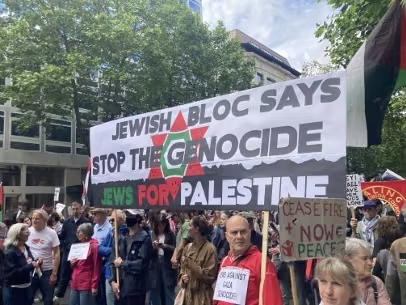
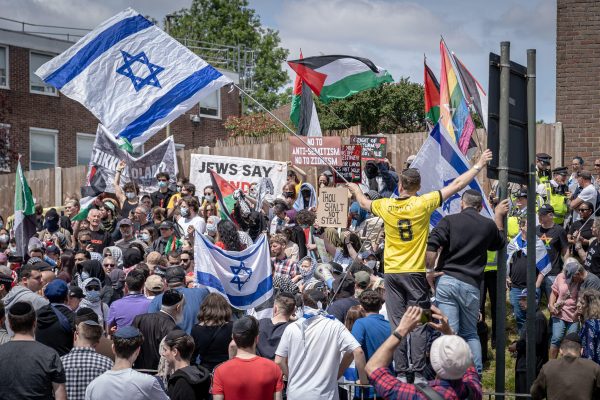
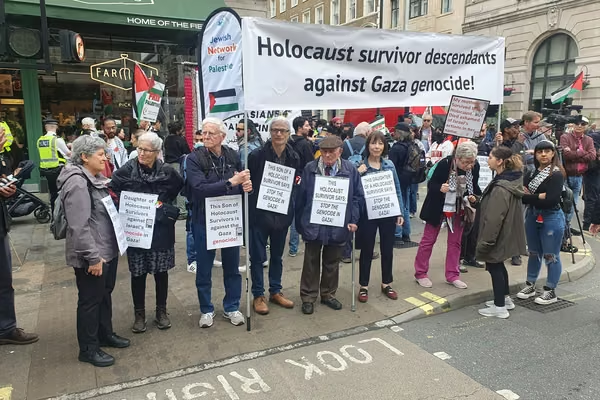
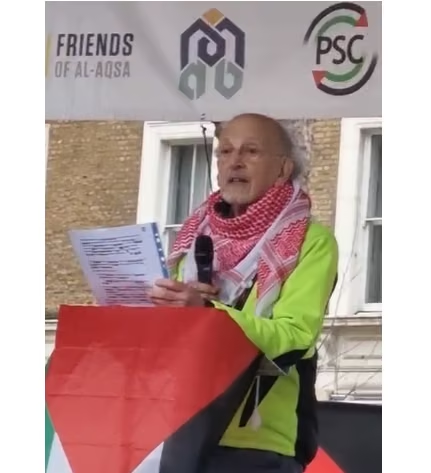
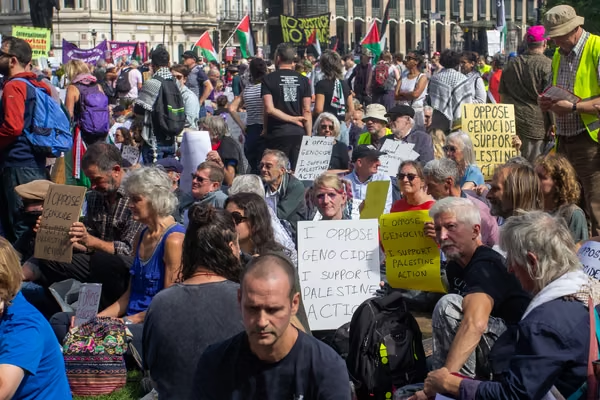
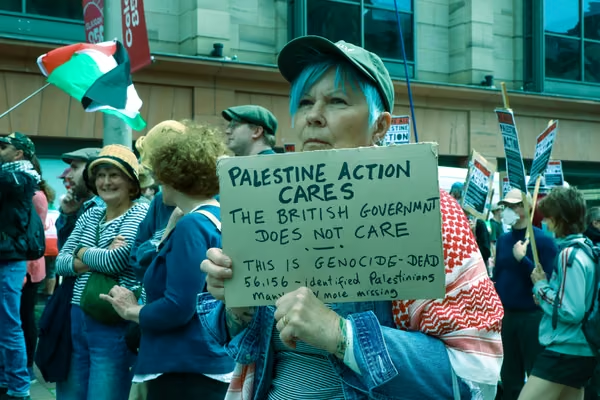
The Jewish Bloc has existed for some years, gaining in numbers since October 2023. It gives a collective identity to the very large numbers of Jewish participants in the National Marches for Palestine. The Jewish Bloc is one of many ways in which British Jews have come together to campaign for an end to the genocide in Gaza. On any weekend, on any day of the week, there are political events organised by Jews – talks, meetings, vigils – all across the UK.
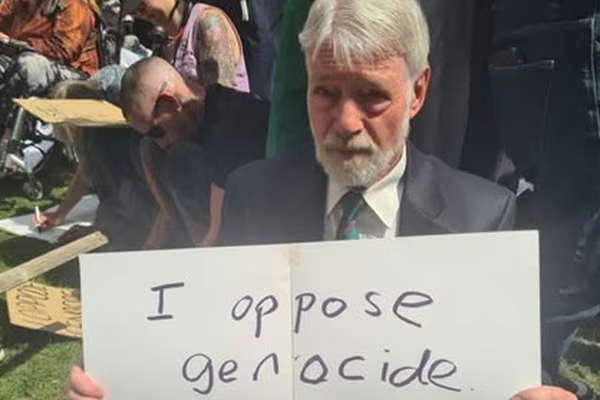
There is widespread popular revulsion against Israel’s genocide in Palestine. This is true among Jews as it is in other social groups. The Jewish Bloc have mobilised contingents on the marches numbering from hundreds to a thousand or more. These marchers have included the religiously observant and the resolutely secular; youngsters and pensioners; Ashkenazis and Sephardis and Jews of colour.
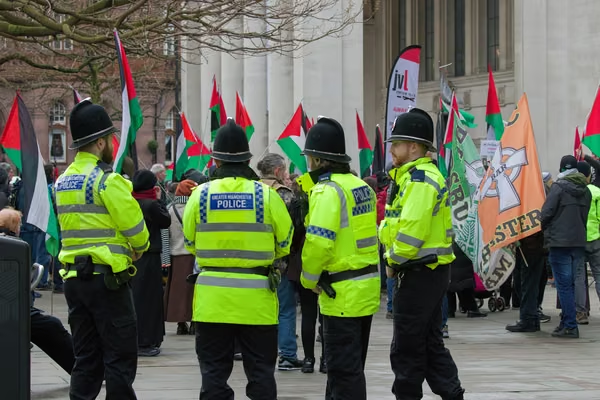
The Crime and Policing Bill currently before Parliament incorporates in Clause 124 the establishment of “new police powers to protect worshippers from intimidating/intimidatory protests”. The clause empowers the police to restrict or ban protests near “mosques, churches and other religious sites”. But it is clear that the new powers have one specific target – marches in support of Palestine that can be asserted by a police officer to be “in the vicinity” of a synagogue.
Transparently the powers proposed in this clause are a government response to an active campaign to paint the National Marches for Palestine as ‘hate marches’ that should be banned. Synagogues and their worshippers are now being deployed as arguments to eliminate the most effective expression of popular opposition to what Israel has been doing in Gaza. Yet there is zero evidence beyond rhetorical assertion that the marches are antisemitic in character, or that synagogues or worshippers are in need of protection.
The Jewish Bloc has been an integral part of all of these marches since 2023. We can attest from our own personal experience that there is nothing here that Jews need to be protected from. In the context of the enormous size of, now, thirty marches the reported instances of any kind of antisemitic behaviour have been vanishingly small. The slogans, the banners, the chants are certainly highly critical of Israel, outraged even. But the anger expressed is not directed at Jews as a social, ethnic or religious group. It is directed at Israel – a state committing state crimes.
We are aware that calls for measures to restrict protest around places of worship have come from a variety of interest groups, including those who claim to represent the Jewish community. These bodies do not represent us in the Jewish Bloc, or any of the growing proportion of Jews appalled by Israel’s genocide of the Palestinian people. The Jewish community is diverse, and attempts to flatten this diversity behind a single communal voice misrepresents who we are.
Freedom of opinion, assembly and speech used to be cherished in Britain. They need to be maintained and protected. Clause 124 of this Bill does the opposite, without any evidence to support its supposed justification.
Action based on these new powers should they become law will depend purely on a police perception – namely that some worshippers may feel intimidated by an assembly or procession, regardless of its actual character. As Amnesty International said when the bill was published “It is enough for police officers to consider that a protest ‘may’ intimidate someone into not accessing a place of religious worship.” We know that when police are given powers to restrict protest, they are invariably abused.
In January this year, the Metropolitan Police imposed an exclusion zone that prevented that month’s Palestine March from approaching the BBC’s HQ. The reason given was the supposed (but greatly exaggerated) proximity of the Central Synagogue. This restriction protected the BBC, not Jewish worshippers.
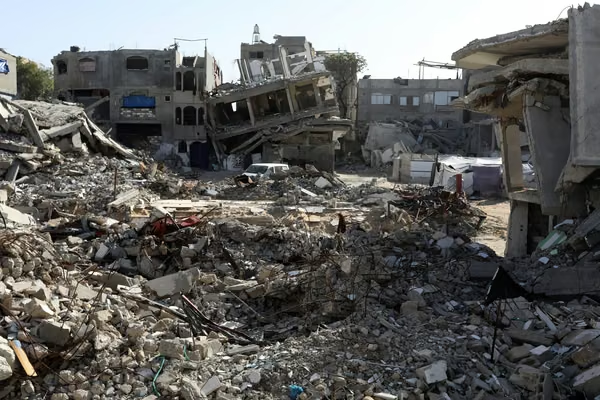
Protest against a state currently engaging in genocide is a righteous act. It was Jewish lawyers, Lemkin and Lauterpacht, who in the aftermath of the Second World War developed the concepts of genocide and of crimes against humanity. Respected international bodies up to and including the United Nations now find Israel clearly in breach of the international conventions that resulted. The Jewish Bloc urges the removal of Clause 124 from this bill. It is the crimes committed by Israel against the Palestinians, not the demonstration of opposition to them, that should be prevented.

Thank you for setting out the dangers of this bill, and in particular clause 124, so clearly and offering clear arguments for us to oppose it in every way we can
the proposal to ban demonstrations and protests near places of worship are inherently anti-democratic. Why should religious groups which are overtly political, including synagogues, be protected from political demonstrations or opposition?
Some years ago members of a particular Worthing church organised regular pickets and protests outside Brighton’s abortion clinic, Wistons. A number of us in Brighton decided we would picket their church meeting one Sunday. Under this legislation anti-abortionists would have free reign to disrupt and intimidate others without any opposition
News was that 600,000 people demonstrated last weekend in support of Nigel Farage and his hostility to immigrants (the vast majority, non-white people). How many people of colour were among those who marched? No ‘concerned’ talk from MPs / police of the possible threats to the un-favoured human beings here, then.