
Anti-Colonial Armed Struggle from South Africa to Palestine
JVL Introduction
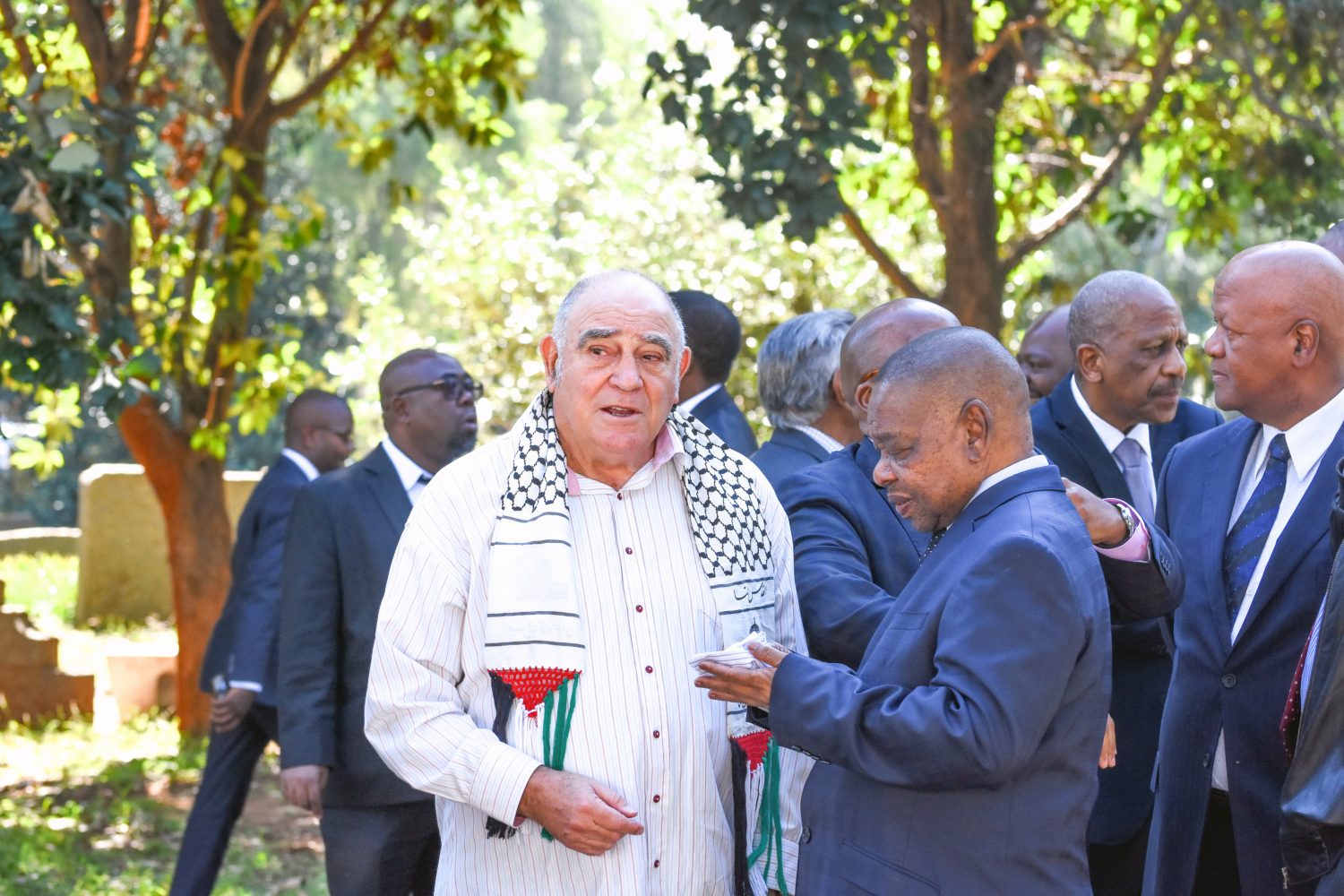
Here Ronnie Kasrils writes about the similarities and differences between South African and Palestinian struggles. As early as 1978 leaders of the African National Congress saw that liberation of South Africa and Palestine were “the key struggles of the age.”
Kasrils writes from his own extensive experience, includng includes joining the ANC in 1960, becoming a founder member of Umkonto Wa Sizwe (ANC’s paramilitary), being a Minister in Mandela’s first government and a prominent Jewish advocate for Palestine.
Kasrils describes not only victories in SA but also the development of the strategy “…over thirty years of bloody struggle, with advances and setbacks, until the movement grasped how to coordinate and fuse the elements, enabling victory,”
The final parts of the article recognises that for the people of Palestine nothing is guaranteed in the current dire situation but “…important opportunities are present. Despite the setback and enormity of the ongoing genocide… Israel is mortally damaged. Its much-vaunted invincibility and ability to protect its people have shattered; its reputation is beyond redemption. Its cruelty has generated an unprecedented global outrage, unleashing an unstoppable tide of revulsion….”
As quoted in the article: “There is nothing more precious to a people than their liberation and independence.” (Ho Chi Minh)
(Although it is undated, it is from summer 2026 as he refers to Ramzy Baroud’s speech at the Jewish Anti-Zionist Congress Dublin, July 2026)
This article was originally published by Thinking Palestine. Read the original here.
The Gun and the Olive Branch: Anti-Colonial Armed Struggle from South Africa to Palestine
Drawing on South Africa’s anti-apartheid struggle, Ronnie Kasrils examines how armed resistance, mass mobilization, underground organization and international solidarity can advance Palestinian liberation
Loading article text…
No comments on this post so far.