
What Jews should be lamenting this Tisha B’Av, the saddest Jewish day
JVL Introduction
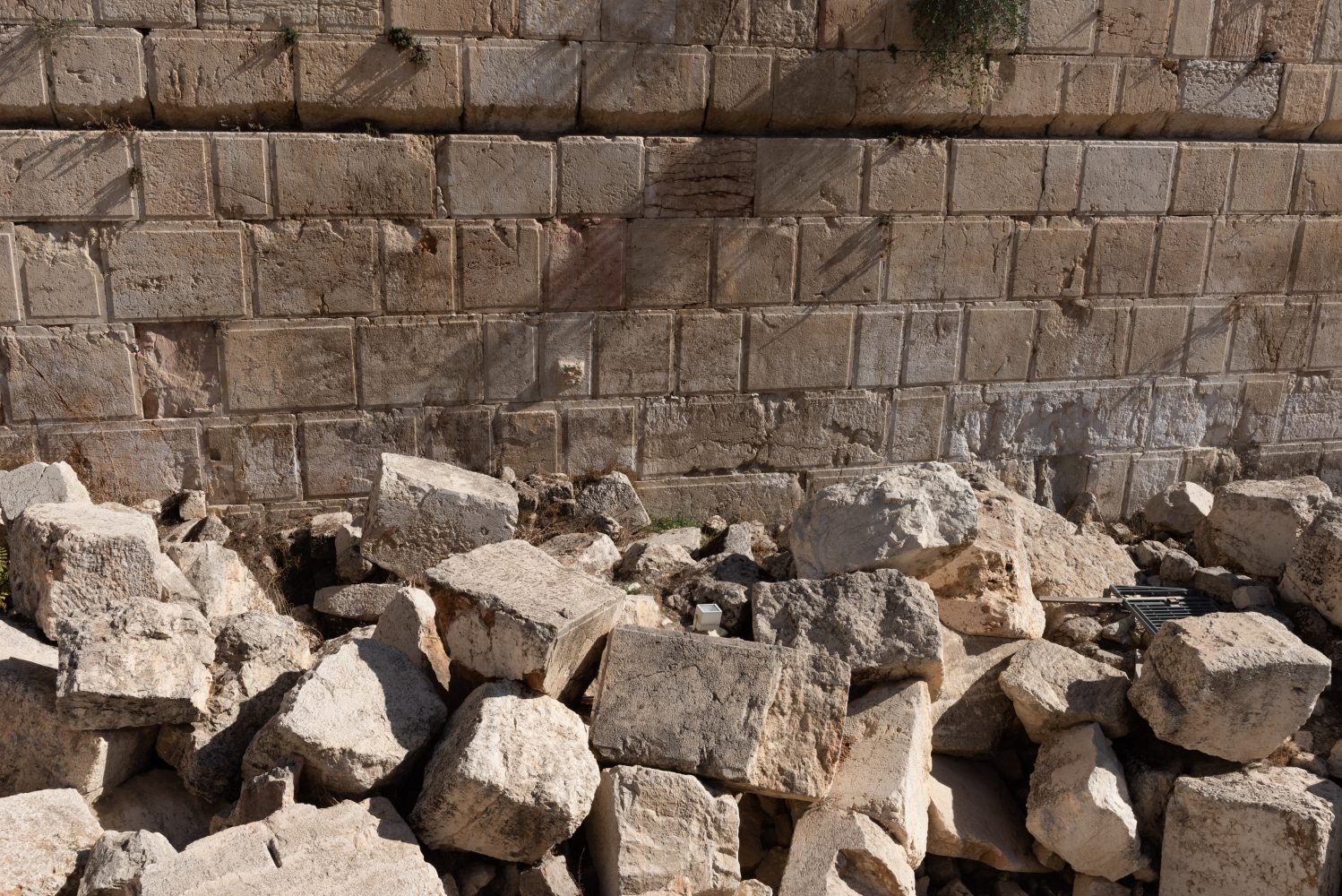
Thursday 23rd July will be Tisha b’Av; an annual fast day commemorating a number of disasters in Jewish history. Considered the saddest day in the Jewish calendar, it follows a three week period of communal sorrow. Mourning the loss of the Temples and of Jerusalem, the Book of Lamentations is read in synagogues and other tragedies from crusader massacre to the Holocaust that have befallen Jewish people are recalled, along with Jewish resilience.
But what does Tisha B’Av mean today? What are Jews lamenting? Here Diana Neslen, an observant Jew and active member of JVL, laments for the people of Gaza, of Palestine and Lebanon, Syria and Iran and how they have suffered at the hands of Israel, a state that claims to represent and act for the Jews of the world. She is also lamenting for those Jews, in Israel and in the diaspora who by their continued support for Israel’s unspeakable crimes, have lost touch with our common humanity.
“The besieged Jews of Jerusalem 587 BCE have more in common with today’s Palestinians than with the Israeli soldiers who presume to act in their name.”
LL
This year Tisha B’av falls on 23rd July. On this day Jewish people are enjoined to remember the catastrophes that have befallen us. According to Jewish tradition the 9th of the Jewish month Av was the date that the first temple was destroyed by the Babylonians under Nebuchadnezzar. It also corresponds to the date when the second temple was destroyed and (for those of a historical bent) many other calamities occurred on this day.
It could be said that the tears of Jewish people over our successive traumas have been as mortar binding us together over the centuries. But concentration on suffering does not allow us to heal and gives us incentive to use that suffering as a shield against those who challenge our behaviour today.
It may also act as a barrier against contemplation, against reflection. We turn inward rather than outward. We can see our past suffering as exclusive rather than universal., and ourselves as immune from critique, even as we condemn the world for its refusal to act when we were in danger.
This sadly has become the prism through which we Jews have viewed and refracted our stories. But it is also a distorting lens, that casts our present (as well as our past) in a dangerously misleading light. We are in a new constellation and without reflection on the path we followed, we will be doomed to carry a weight of condemnation for generations yet unborn
October 7th has entered the lexicon as yet another trauma. We are told this happened because ‘they hate Jews’. The very words speak to a narcissistic nationalism. As if the oppressed Palestinians had chosen the Jews to colonise their lands, and to expel them from it. As though they will accept their fate without qualm. Do Jews in Israel and their diaspora cheerleaders not reflect that in Auden’s words ‘Those to whom evil is done do evil in return?
Without parsing of the meaning of occupation, siege, exile and apartheid, Israel’s response to this atrocity was an orgy of vengeance and having tasted blood the people of Israel and their Jewish supporters throughout the world seem unable to stop:. Gaza, Syria, Lebanon, Iran, the world will see that we are without parallel. We will not desist. Am Yisroel chai!
But there has always been a schism in the Jewish community between those who swear by the sword and those who live by the book and what it teaches us. The prophets cautioned against the worship of false gods – and what could be more false than the worship of a state with all its temporal trappings? The schism persists to this day. Israeli Jews en masse revel in the depravity and savagery of their military. Their diaspora supporters police speech to silence critics of the Israeli state. But for the minority of Jews who act with conviction – having learnt that never again means never again for anyone – this has been a time of despair and anguish.
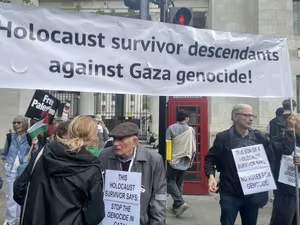
Each of us has our own story. I know that since October 7th I have lived and breathed every day on my phone and in conversations and in the dark recesses of the night, the horrors of Gaza, now expanded to include the West Bank, Syria, Lebanon and Iran.
The horrors inflicted on the defenceless civilians of Gaza are well documented. This psalm expresses the feelings of a people under siege
Our inheritance has been turned over to strangers,
our homes to foreigners.
We have become orphans, fatherless;
our mothers are like widows.
We must pay for the water we drink;
the wood we get must be bought.
Our pursuers are at our necks;
we are weary; we are given no rest
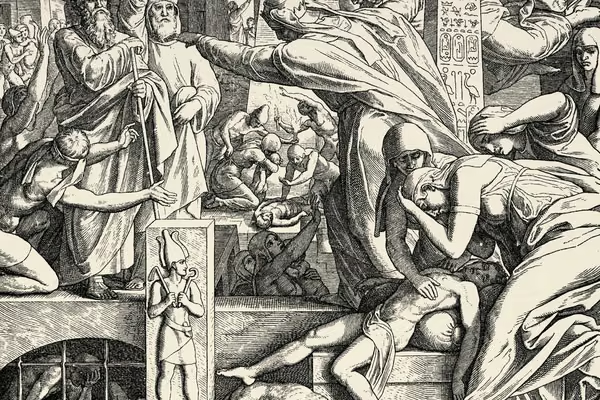
Suffering is universal. The psalmist’s moving words from Lamentations, written in Jerusalem 587 BCE, speak to us down the centuries. The besieged Jews of Jerusalem 587 BCE have more in common with today’s Palestinians than with the Israeli soldiers who presume to act in their name.
So today I mourn for those under the yoke of a merciless adversary who has laid waste to Gaza in particular. Truly they have made a desert from life’s blooms. This land was once filled with people who had hopes, dreams and plans. The people the Israeli state targeted are people who, under the relentless bombs and brutality of a savage onslaught, have retained their humanity. Health workers, first responders, civil defence workers, teachers, journalists, exhausted, starved, grieving for family members killed, and homes destroyed come each day to work to maintain their communities. Truly they are today’s heroes and have so much to teach us.

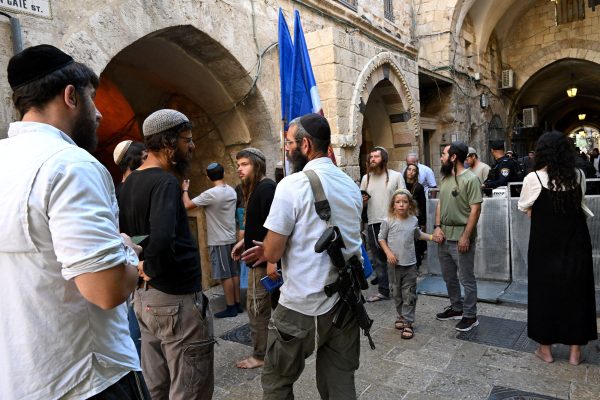
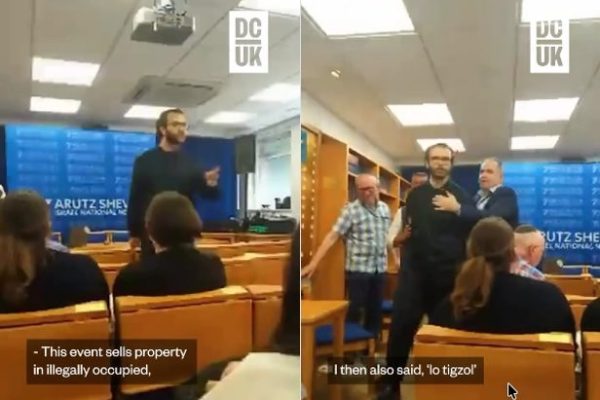
I have watched the people of Israel demanding the right to rape, standing on the hillsides to cheer as bombs fall on tents burning men women and children without mercy, selling plots on stolen land in diaspora synagogues, demanding ever more destruction and I find myself recoiling as if from medieval monsters.
Today I mourn. I mourn for the lives lost and for the living whose future is bleak. I am alive and live a good life while daily the people of Gaza desperately try to survive. I feel a guilt unassuaged by my helplessness. But I also mourn for my people, once the people of the book who could hold our heads high, knowing we had not become murderers. No more. By our collective failure to challenge and disavow the genocidal forces acting in our name, we also now own some fraction of the genocidaire’s stigma and no amount of denial or smothering the voice of messengers will change that.
Collectively, we were once victims, but it pales before the collective stain we now face as perpetrators, abetters and silent spectators of crimes beyond belief or human understanding, committed in our name.
Rabbi Yekutiel Yehuda Halberstam lost 11 children in the Holocaust. But, ‘It could have been worse’ he said.’ What could have been worse than losing children’ he was asked. ‘We could have been the murderers’ he replied
This Tisha B’Av we need to mourn not for the damage done to us in our past but for the damage done by our co-religionists, in our name, in the present. And with mourning must come contrition and repentance and restitution. This is the message of Tisha B’av.


Thank you, Diana, for expressing beautifully the many griefs we share.
much appreeciated.
oh Diana thank you for this, I am in tears reading it – you have given words to my guilt and shame at not doing more, at not managing to stop any of this. I heard Lamentations at the Good Friday Tenebrae service and felt exactly as you do.
This short piece from Rabbis in UK Al Khair, South Hebron Hills is apposite, sorry I only have a facebook link as I think it is also on instagram. (From Rabbis for Human rights) https://www.facebook.com/share/r/1EEwzyGq1v/