
The corrosive effect of politicising antisemitism
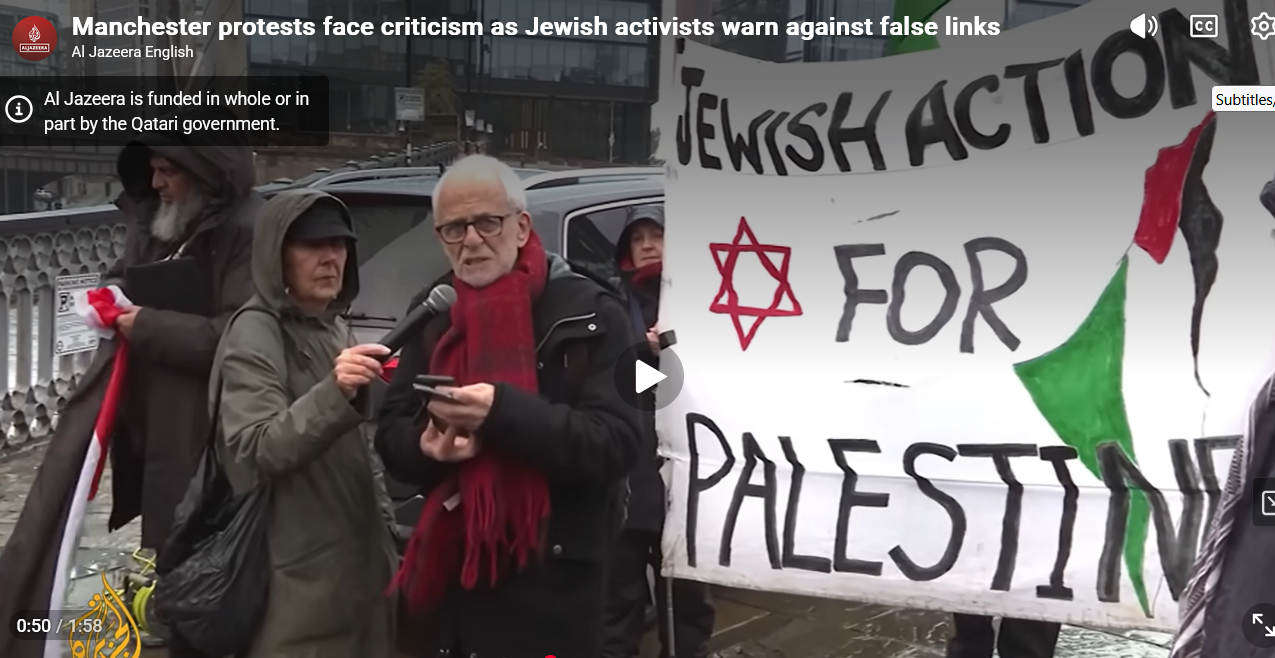
JVL Introduction
Rachel Shabi has written a valuable contribution to difficult conversations which, she rightly says, “progressives are struggling to navigate”.
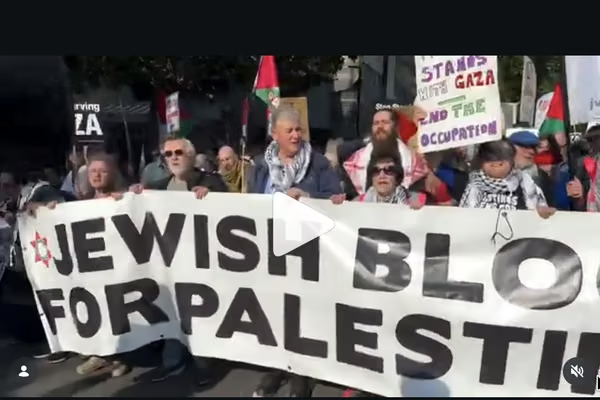
With racism, including antisemitism, on the rise and growing hostility to a genocidal “Jewish” state, Shabi sees an increase in both “politicised accusations of antisemitism” and knee-jerk assumptions that all allegations are bad faith attempts to silence criticism of Israel.
She says that, while Israel’s Gaza assault does not justify attacks on Jews, it is a large part of the context in which antisemitism is rising and authoritarian measures are being introduced to curb protest. She appeals for “a common language that can bridge these two truths without suggesting that Jewish people are in any way to blame for the antisemitism they face.”
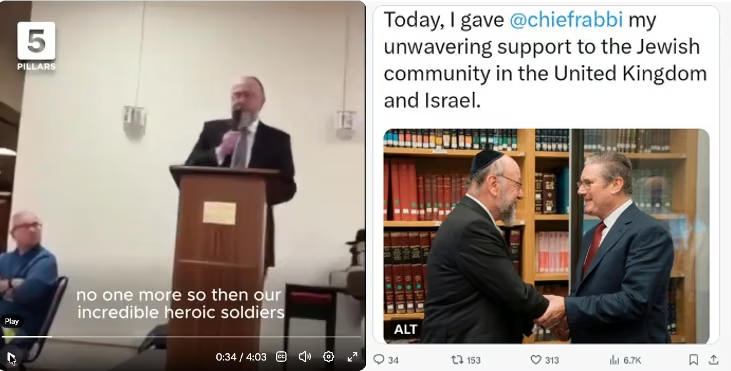
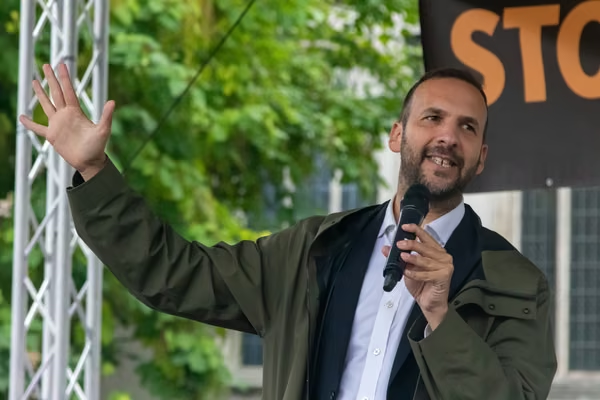
Shabi’s article raises a complex set of intertwined challenges for us as activists working for Palestinian liberation. Muslims, including local councillors (Green party and others) opposed to the genocide, are treated with contempt by pro-Israel media and politicians, often vilified as purveyors of anti-Jewish hatred. At the same time leading Jewish figures, many of whom vocally oppose measures to rein in the rogue state, are listened to as if the only thing that matters is their subjective feeling of threat.
Somehow we have to hold on to the underlying dynamics at work and defy those who try to divide us on racial or religious lines.
We all need to think deeply about the issues Rachel Shabi has put before us.
NWI
This article was originally published by Rachel Shabi's substack on Mon 25 May 2026. Read the original here.
The elephant in the room: antisemitism in the shadow of Israel's wars
Amid anger over Gaza, antisemitism is rising – and anti-Muslim hate is too often overlooked
Loading article text…


Comments are now closed.