
Famine’s long shadow
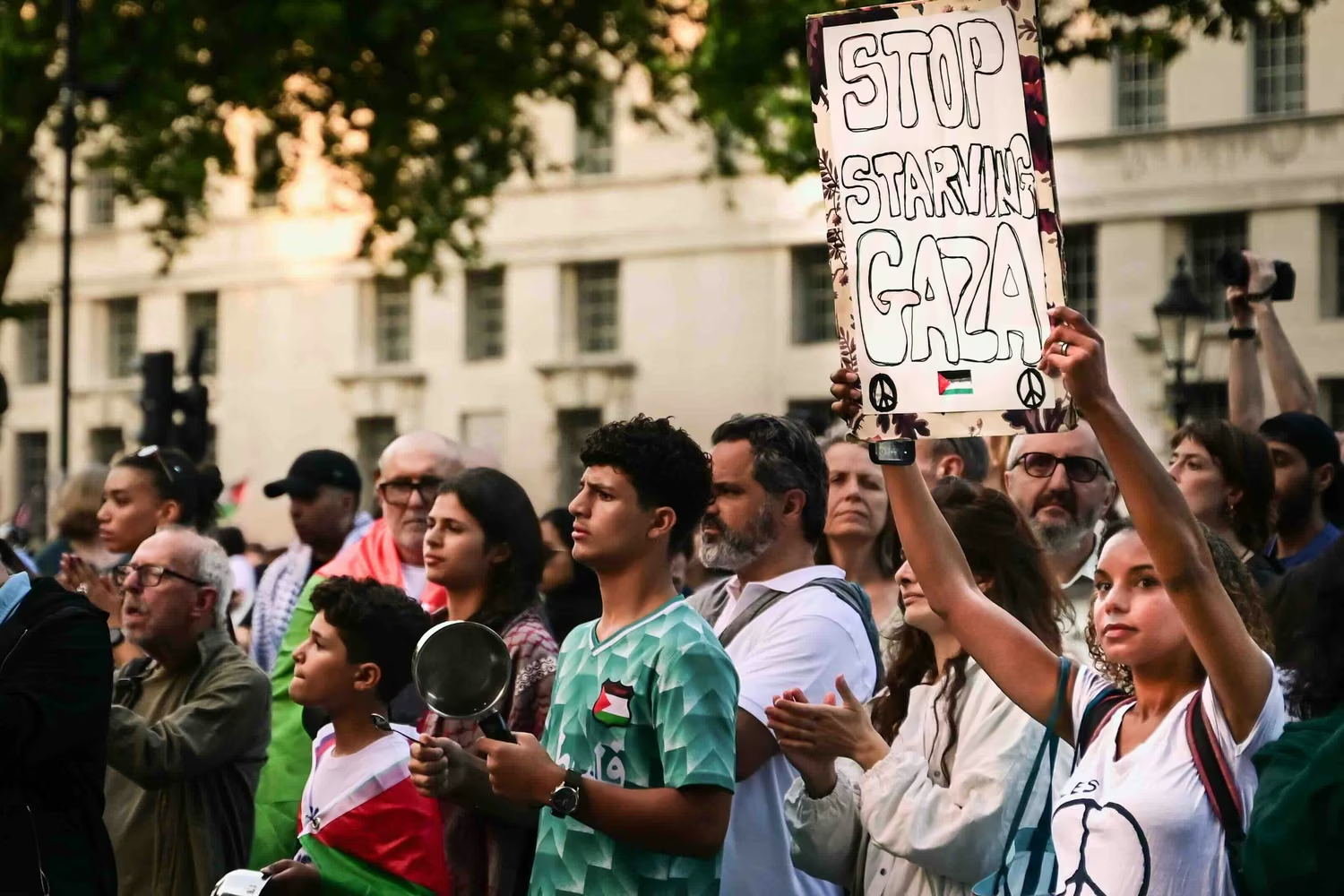
JVL Introduction
World expert on famine, Alex de Waal, author of Mass Starvation: The History and Future of Famine, has been researching the subject for over forty years.
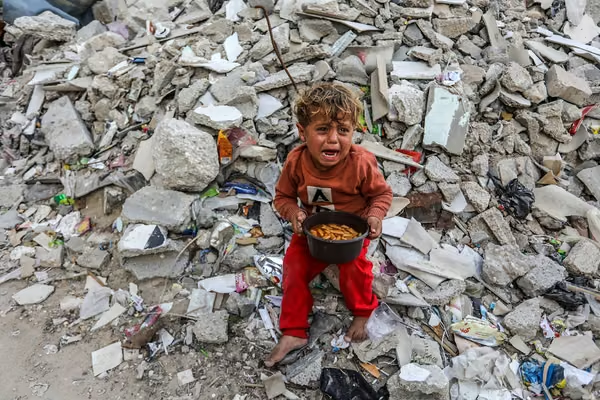
Here he puts Gaza’s descent into famine – a famine that had been readily reversible – into a wider context of starvation and its use as a weapon of war..
Even if Israel’s policy were reversed tomorrow irreparable harms have already been done to those who have endured prolonged starvation.
Famine shreds the social fabric. Strife and violence follow – in the siege of Leningrad, in Biafra, in Darfur and other starvation situations we are well aware of.
Israel claims that its aim is to besiege Hamas. “But,” says de Waal, “it is well established—and a matter of common sense—that in famine it is the men with guns who suffer last. In this sense, siege starvation is a military tactic that selectively targets civilians, beginning with the frail, sick, and poor and expanding from there.”
“To starve” adds de Waal, is a transitive verb. It demands that we call to account those who inflicted it.
One day “restorative justice—apologies and reparation, guarantees of non-recurrence, and memorialization” will be needed if we are to address famine’s generational impacts.
RK
This article was originally published by Jewish Currents on Tue 7 Oct 2025. Read the original here.
Famine’s long shadow
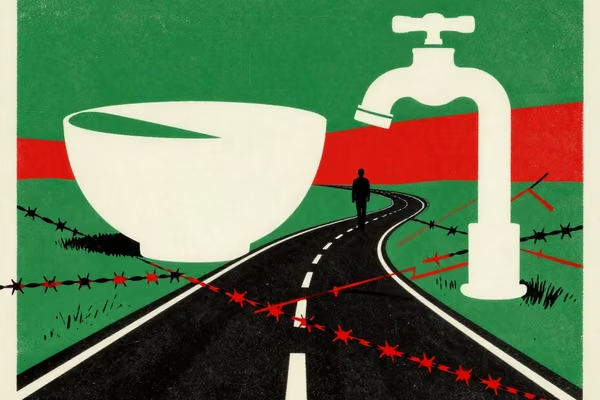
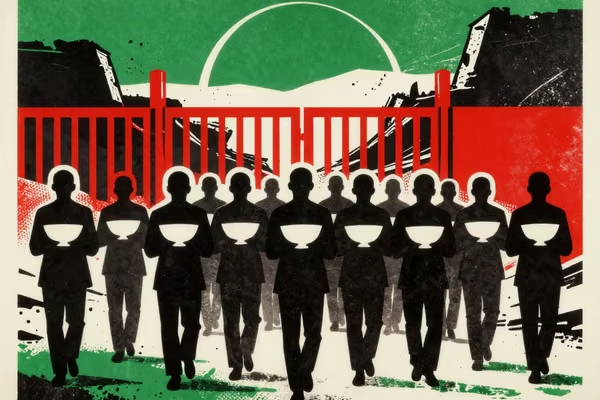
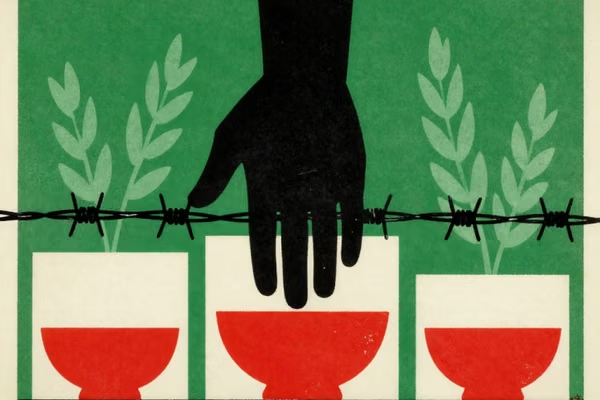
Even if food is surged into Gaza today, the history of weaponized mass starvation shows that the social aftershocks will reverberate for generations.
Loading article text…
Comments are now closed.